
The Leeu Big 5: Wildlife at Leeu Estates
The Leeu Big 5: Wildlife at Leeu Estates
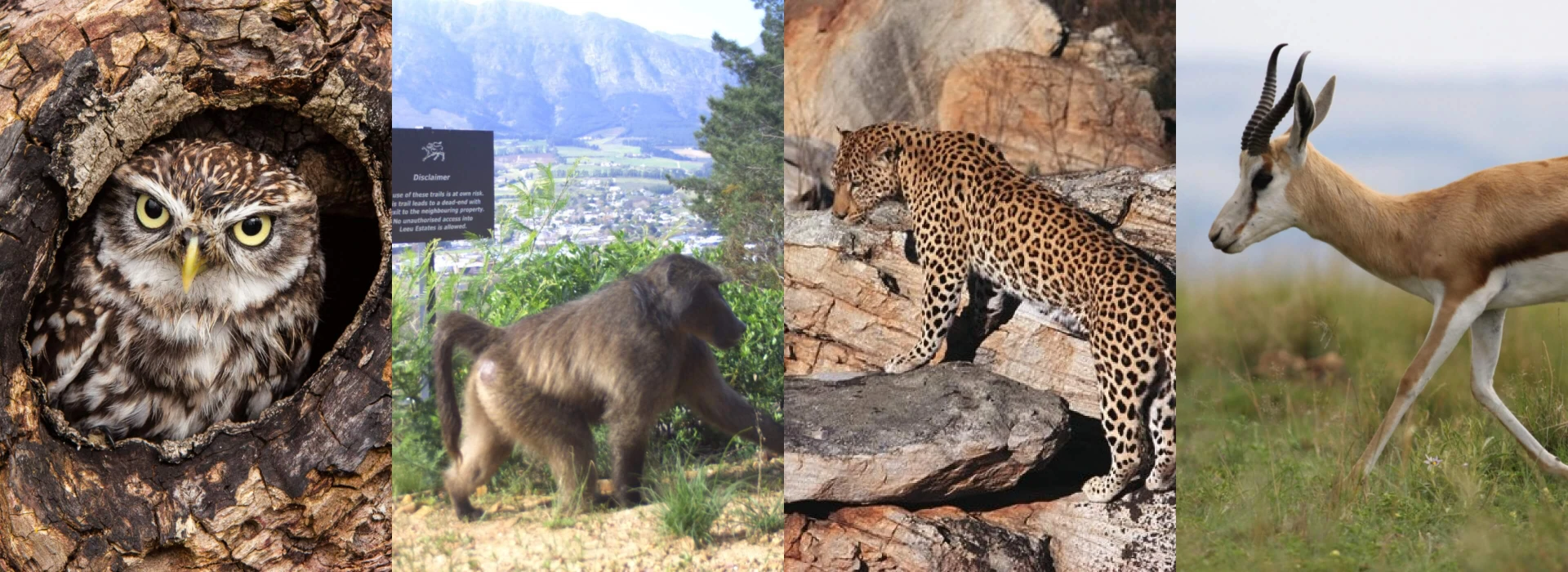
Tucked among vineyards, orchards and fynbos-covered mountains, Leeu Estates is more than a luxury sanctuary in the Cape Winelands — it is also home to a surprising array of wildlife. Wander the gardens, explore the river trails, or gaze up at the slopes behind the estate, and you may encounter one of the “Leeu Big 5”: five remarkable animals that live on the property and in the surrounding mountains.
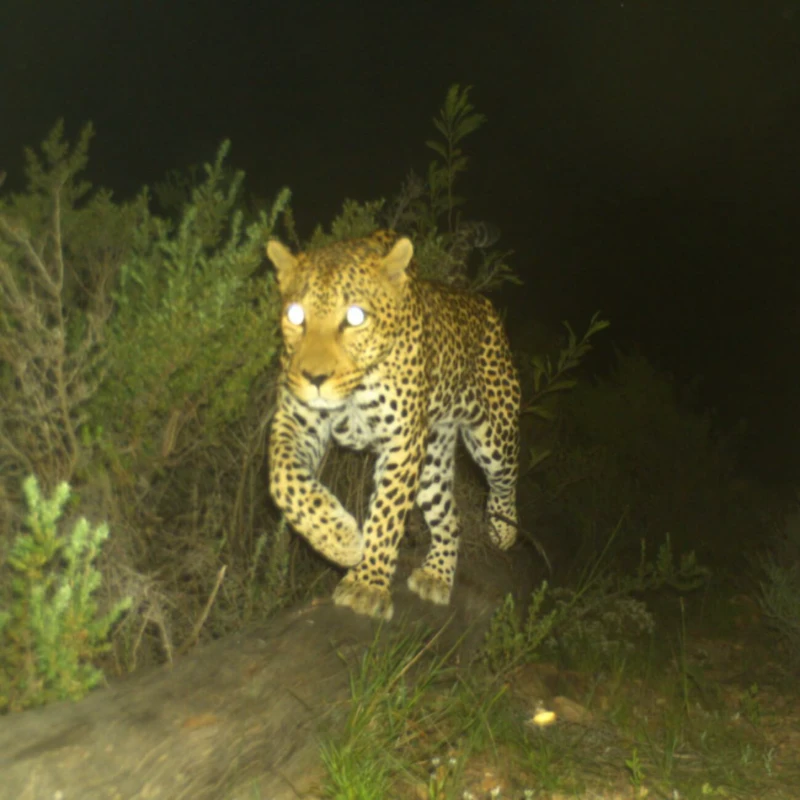
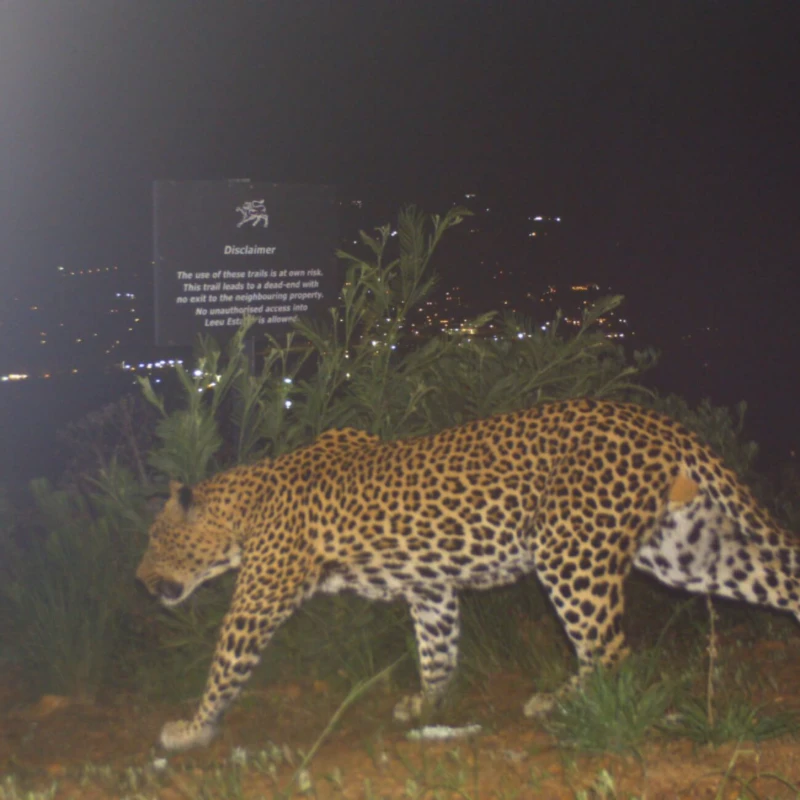
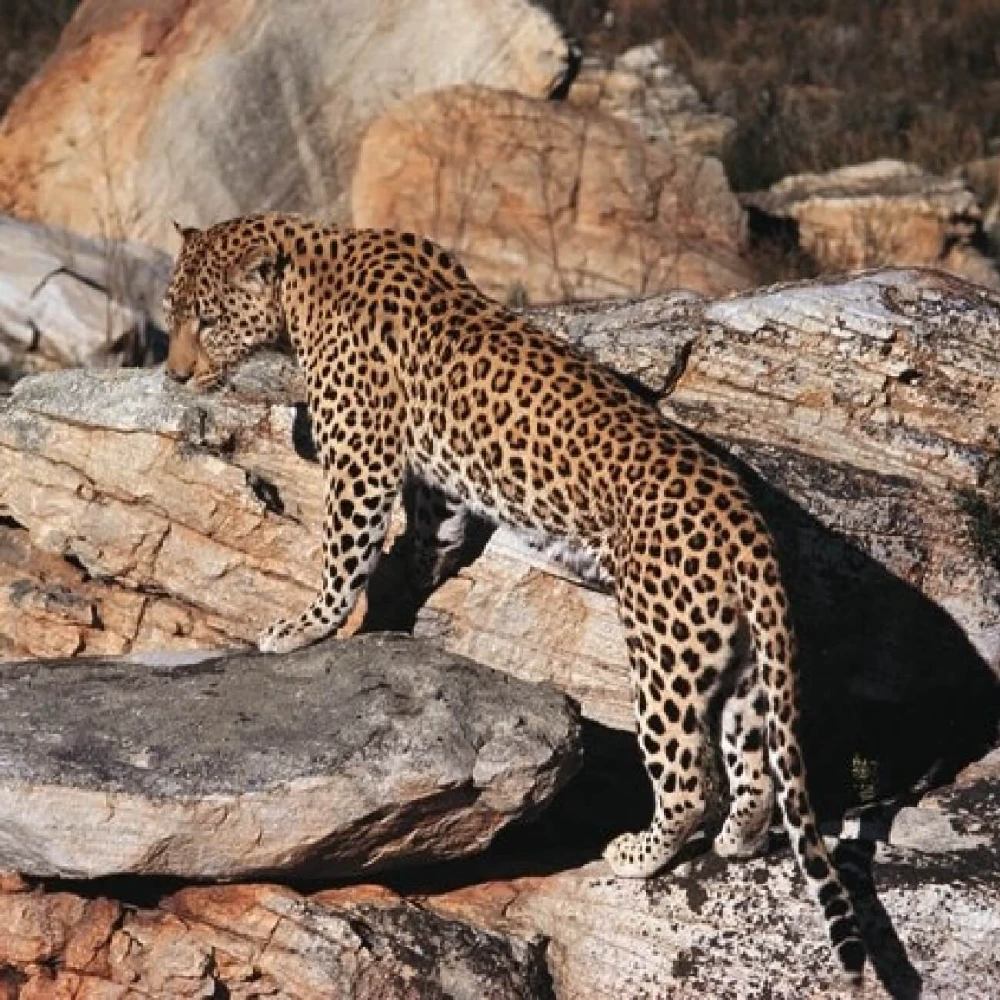
Cape Mountain Leopard
Secreted away within the wilderness of the surrounding mountains is the Cape Mountain Leopard - the region’s most elusive resident, and a sleek, powerful big cat perfectly adapted to the rugged terrain of the Western Cape.
Although not a separate species, this distinct population of leopard has evolved to survive on rocky ridges, deep kloofs and steep fynbos slopes. Its compact size, sure-footed agility and sharp senses make it the apex predator of these mountains.
Research has shown that Cape Mountain Leopards tend to be smaller than their savannah cousins, with males typically weighing around 35 kg and females around 21 kg. Their diet is dominated by rock-loving antelope such as klipspringer, as well as dassies, which can make up the majority of their prey. Remarkably secretive and rarely seen, these cats often move silently through the upper reaches of the valley at dusk and dawn. Knowing they are present adds a profound sense of wilderness to the landscape surrounding Leeu Estates.
Springbok
Graceful, agile and instantly recognisable, the springbok is one of South Africa’s most beloved antelope — and the country’s national animal.
Its striking colouring, with caramel tones across the back and a crisp white underbelly, makes it easy to spot against the greens and golds of winelands vegetation.
The springbok’s name comes from its characteristic behaviour: “springing” into the air in elegant, high-arched leaps known as “pronking”. These leaps are believed to signal vitality and alertness to predators and other springbok nearby.
The species has also adapted to survive long periods without drinking surface water, drawing moisture from the plants it eats — a useful adaptation in the Western Cape’s seasonal climate. Although more commonly associated with open plains, springbok are occasionally seen moving through the lower slopes and open areas around Leeu Estates.
Baboons
The Chacma baboon is an integral part of the Cape’s natural heritage. These intelligent and highly social primates live in troops that range from a handful of individuals to more than a hundred, each one governed by a complex hierarchy. A troop moving across a mountainside is an impressive sight — loud, lively and always on the move.
Baboons are adaptable omnivores with a varied diet that includes fruits, seeds, insects, roots and even small vertebrates. They communicate constantly through calls, facial expressions and grooming behaviour, and their social bonds run deep.
The slopes around Leeu Estates offer an ideal environment for them to roam, forage and raise their young. Guests may occasionally glimpse a troop travelling along a ridge or hear their distinctive barking calls echoing across the valley.
Owls
The evenings at Leeu Estates often come alive with the soft hoots and silent wingbeats of owls hunting over the vineyards, lawns and water features. South Africa is home to around a dozen owl species, and several of them thrive in the mosaic of farmlands, riverbanks and fynbos fringes that surround the estate.
Owls are extraordinary nocturnal hunters with the ability to rotate their necks up to 270 degrees, giving them a near-panoramic field of vision. Their feathers are specially structured to muffle sound, allowing them to fly almost silently while pursuing their prey. Because they rely on healthy populations of insects, small mammals and birds, their presence is a reassuring indicator of ecological balance in the area.
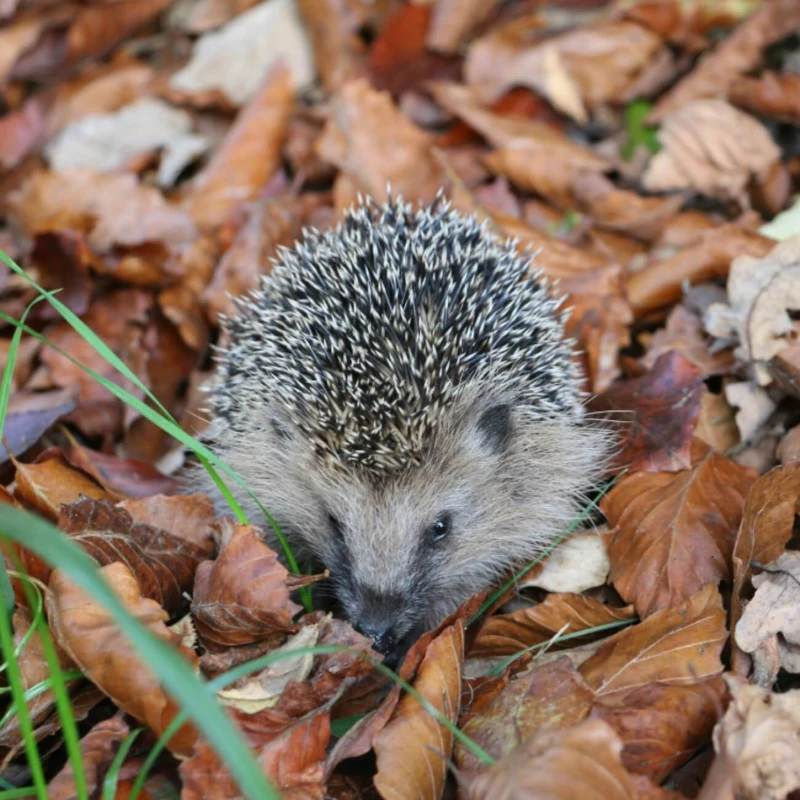
Hedgehogs
The Southern African hedgehog is one of the estate’s most charming night-time visitors. Small, round and covered in protective spines, these solitary mammals spend their nights searching for insects, worms, small reptiles and even the occasional fallen fruit.
When threatened, a hedgehog’s most famous defence mechanism comes into play: it curls tightly into a prickly ball, shielding its vulnerable face and belly. These little creatures can consume nearly a third of their body weight in food during a single night of foraging. Although they move quietly and often remain hidden during the day, spotting a hedgehog on an evening stroll is a delightful reminder of the rich biodiversity that flourishes in and around Leeu Estates.
A Landscape Alive With Wonder
Every animal on this list — from the elusive leopard to the humble hedgehog — plays a vital role in the natural rhythm of Franschhoek’s mountains and valleys. Their presence is a testament to the health, diversity and quiet wildness of the landscapes that wrap around the estate. Together, they form a living connection to the indigenous ecosystems that existed here long before vineyards and architecture shaped the modern valley.
Experience the Wild Elegance of Leeu Estates
To witness the Leeu Big 5 and immerse yourself in this extraordinary natural environment, reach out to our Guest Liaison Team to plan your stay at Leeu Estates. Wander along riverside paths, breathe in the fragrance of fynbos, watch the mountains shift with the changing light, and let the beauty of the Cape Winelands awaken your sense of wonder.