
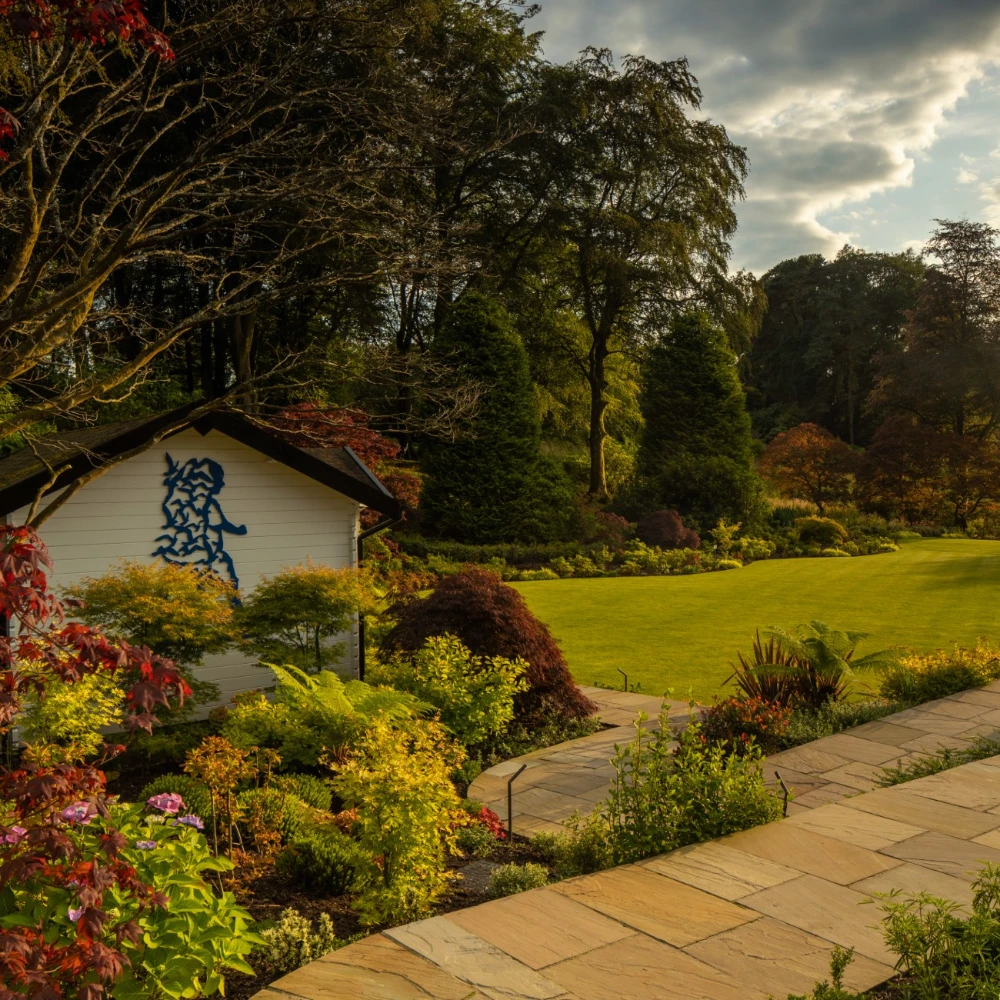
A Living Landscape Above Windermere
For guests who love the outdoors, who notice the difference between a mature beech and a young one, or who instinctively slow down when the light moves through a canopy in a particular way, Linthwaite House offers something genuinely special.
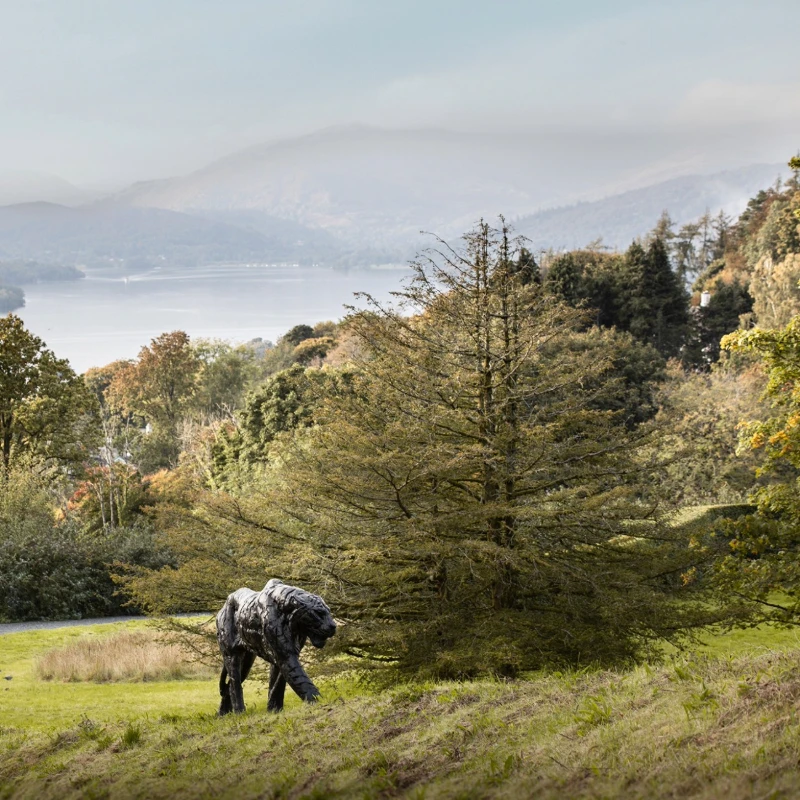
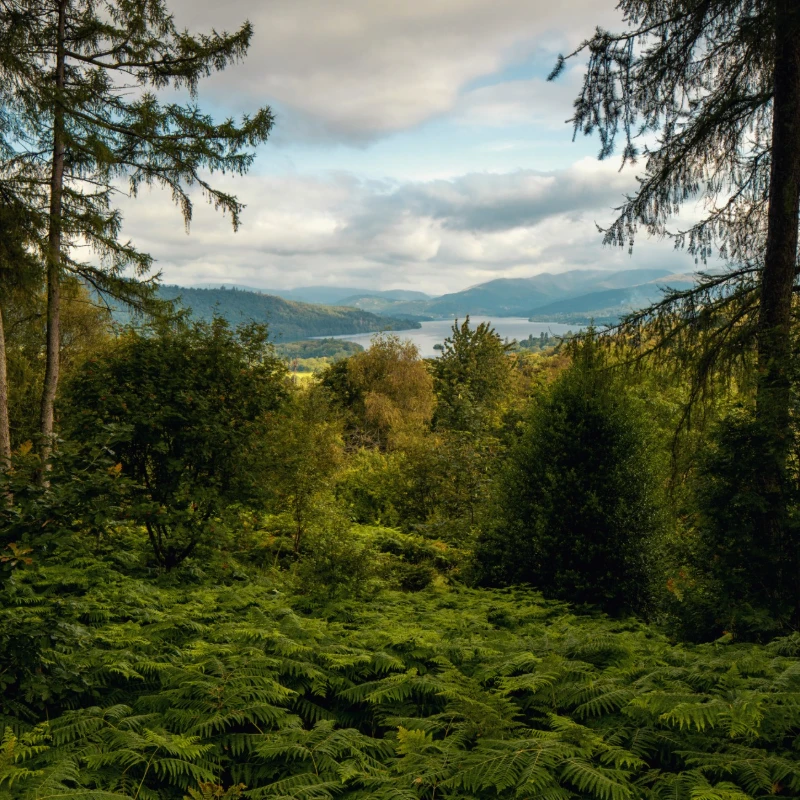
Shaped over years, anchoring every view, framing every path and marking every season, the trees here are the soul of the landscape…
The Mature Trees That Shape the Estate
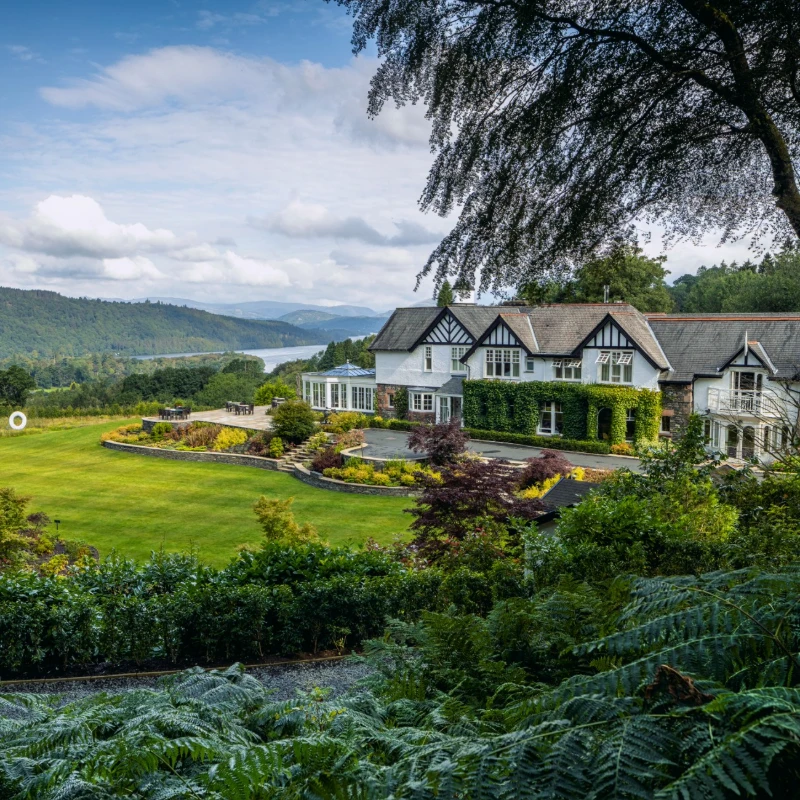
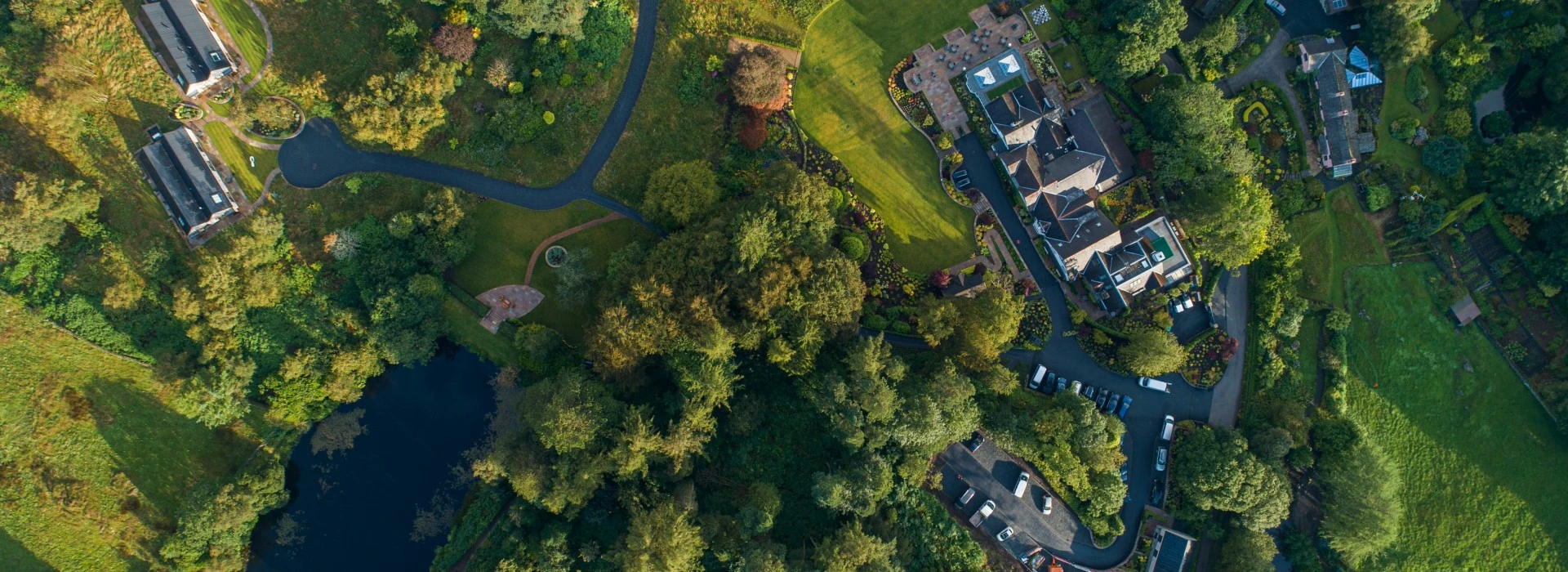
The bones of the Linthwaite House landscape are formed by a mix of mature native and naturalised trees that have been part of the estate for generations. Each contributes something distinct to the character of the grounds, and together they create a layered, multi-seasonal canopy that changes with every month of the year.
The Beech trees are among the most commanding presences on the estate, their smooth, silver-grey bark and dense summer canopies give way to one of the most celebrated autumn colour displays in any hotel garden in the Lake District. Copper, amber, and gold arrive in waves from late September through October, and the fallen leaves carpet the paths in a way that makes walking the grounds feel like something worth doing slowly.
Silver Birch brings a lighter, more delicate counterpoint to the heavier structure of the estate's larger trees. Its white papery bark catches the light at any time of year, and in winter, when the leaves have fallen, the tracery of its bare branches against a misty Windermere sky is quietly beautiful.
Douglas Fir and Scots Pine provide the year-round evergreen structure that keeps the landscape feeling full and sheltered even in the depths of winter. Horse Chestnut brings a more seasonal drama to the grounds. The broad candelabra flower spikes of late spring are among the most joyful sights in the garden, and the arrival of conkers in early autumn gives the Horse Chestnut a particular resonance for families visiting with children.
The Ornamental Collection
Alongside the mature native trees, Linthwaite House has developed a thoughtfully chosen collection of ornamental species that add colour, texture, and seasonal interest throughout the year.
The Liquidambar Styraciflua is one of the stars of the autumn garden. Few trees match its ability to produce such a concentrated range of colour - purples, crimsons, oranges and yellows sometimes appearing simultaneously on a single tree, and the star-shaped leaves add an elegant architectural quality during the growing season.
The Gleditsia Triacanthos Sunburst brings a warm, golden-yellow foliage to the summer landscape, while the Fagus Sylvatica Purple Fountain Beech - a weeping form of the purple-leaved beech - combines the familiar copper-burgundy foliage of the beech family with an elegant, cascading habit that makes it a natural focal point in any view.
Japanese Maples and the Art of Seasonal Colour
Over recent years, a significant collection of semi-mature and more recently planted Japanese Maples has been established across the Linthwaite House grounds, and they have quickly become some of the most talked about trees on the estate.
Japanese Maples, or Acers, are among the most refined of all ornamental trees, valued for their delicate, deeply cut foliage, their elegant branching structure and their extraordinary seasonal range.
Why the Trees at Linthwaite House Feel Like Old Friends
From the first light through a bedroom window, the trees at Linthwaite House make themselves known at every hour of the day. There is a particular quality that long-established trees bring to a garden that no amount of design can replicate. They have witnessed seasons, weathered storms and quietly shaped the space around them without anyone asking them to. The trees that thrive here do so because they belong here, and that rootedness is something a visitor can feel. And perhaps the finest way to appreciate all of it is the simplest. A walk through the grounds, or a cocktail on the terrace of The Bar and Conservatory, as the light softens and this intricately considered landscape settles quietly into the evening around you.
If the idea of waking up to this landscape, wandering its paths at your own pace and watching the seasons move through it appeals to you, the Linthwaite House Guest Liaison Team would love to help you plan your stay.
FAQs
What types of trees can be found at Linthwaite House?
The grounds at Linthwaite House are home to a wide range of mature and ornamental trees including Beech, Sycamore, Silver Birch, Douglas Fir, Scots Pine and Horse Chestnut among the native species, alongside ornamental trees including Liquidambar, Gleditsia Sunburst, the Purple Fountain Beech and an extensive collection of Japanese Maples.
When is the best time of year to visit Linthwaite House?
Every season brings something worth coming for. Spring arrives with fresh foliage and the Horse Chestnut in full flower, summer offers a full canopy and the golden warmth of the Gleditsia Sunburst, autumn delivers the most dramatic colour from the Beech, Japanese Maples and Liquidambar, and winter reveals the quiet architectural beauty of bare branches and evergreen structure. There is no wrong time to visit!
Can day visitors explore the grounds at Linthwaite House?
Guests visiting The Bar and Conservatory, dining at Henrock or joining us for Afternoon Tea are welcome to enjoy the grounds during their visit.
Does Linthwaite House take a sustainable approach to its gardens?
Yes. The planting at Linthwaite House has been refined over many years of careful management, with varieties selected for their suitability to the local Lake District climate and their resilience to grazing from the local deer and rabbit populations. The approach favours long-term sustainability over short-term horticultural spectacle.
Is Linthwaite House a good destination for nature lovers?
Linthwaite House is an excellent base for guests who appreciate gardens, trees and the natural landscape. The grounds offer a varied and beautifully maintained landscape for exploration, and the wider Lake District National Park provides some of the finest natural scenery in England directly from the property's doorstep.