

Heritage, Arts & Culture in Windermere | A Guide from Linthwaite House
Heritage, Arts & Culture in Windermere:
A Guide from Linthwaite House
When you stay at Linthwaite House, perched on a hilltop overlooking Windermere and the surrounding fells, you’re ideally placed to immerse yourself in the rich cultural history of the Lake District.
This region is renowned not only for its heritage architecture and artistic treasures, but also as the birthplace of some of Britain’s greatest literature. The landscapes around Bowness-on-Windermere have inspired poets, painters, and storytellers for centuries, and the area continues to offer a blend of history, creativity, and natural beauty that draws visitors from around the world.
This region is renowned not only for its heritage architecture and artistic treasures, but also as the birthplace of some of Britain’s greatest literature. The landscapes around Bowness-on-Windermere have inspired poets, painters, and storytellers for centuries, and the area continues to offer a blend of history, creativity, and natural beauty that draws visitors from around the world.
Top Heritage & Cultural Attractions Near Linthwaite House
One of the most celebrated cultural landmarks close to Bowness is Blackwell, The Arts & Crafts House. Designed by architect Mackay Hugh Baillie Scott in 1901, this Grade I listed house is one of the finest surviving examples of the Arts & Crafts movement. Inside, you’ll discover beautifully preserved interiors, original furnishings, stained glass, and ceramics by some of the movement’s leading designers. The house also hosts regular exhibitions and creative workshops, making it a living testament to the artistic ideals that shaped early 20th-century Britain.
The Windermere Jetty: Museum of Boats, Steam and Stories offers a very different window into the region’s past. Located on the lake shore, the museum brings Windermere’s maritime heritage to life through an extraordinary collection of historic steam launches, yachts, and wooden boats. Visitors can see restoration in progress and hear the personal stories of those whose lives were tied to the water, highlighting the way the lake has shaped local culture for generations.
The region’s cultural history is also tied to feats of daring and innovation. On nearby Coniston Water, Donald Campbell famously broke the world speed record in his hydroplane Bluebird K7. Although Campbell tragically died in a later record attempt, his story lives on at The Ruskin Museum, where the restored Bluebird is displayed as a tribute to a true British hero.
For lovers of landscape artistry, Holehird Gardens is a must-see. Originally designed in the late 19th century, the gardens showcase a rich tapestry of horticultural heritage, from alpine houses to sweeping herbaceous borders. Today, they are maintained by volunteers and offer a tranquil escape that reflects the creativity and passion that has long characterised the region.
No exploration of Windermere’s cultural history would be complete without delving into the world of Beatrix Potter. While her farmhouse at Hill Top and the gallery in Hawkshead are famous, many visitors overlook the World of Beatrix Potter Attraction in Bowness, which brings her enchanting tales to life through immersive exhibitions and displays. It’s the perfect place to meet Peter Rabbit, Jemima Puddle-Duck, and friends while discovering how the Lake District inspired her timeless stories.
An essential literary pilgrimage lies in Grasmere, home to Dove Cottage & the Wordsworth Museum. This was William Wordsworth’s home during his most creative years, where he wrote much of his celebrated poetry. A visit offers not only insight into his life but also the chance to explore St Oswald’s Church, where Wordsworth is buried alongside other members of his family. The village of Grasmere remains steeped in literary heritage, its landscapes still echoing the Romantic vision that Wordsworth helped shape.
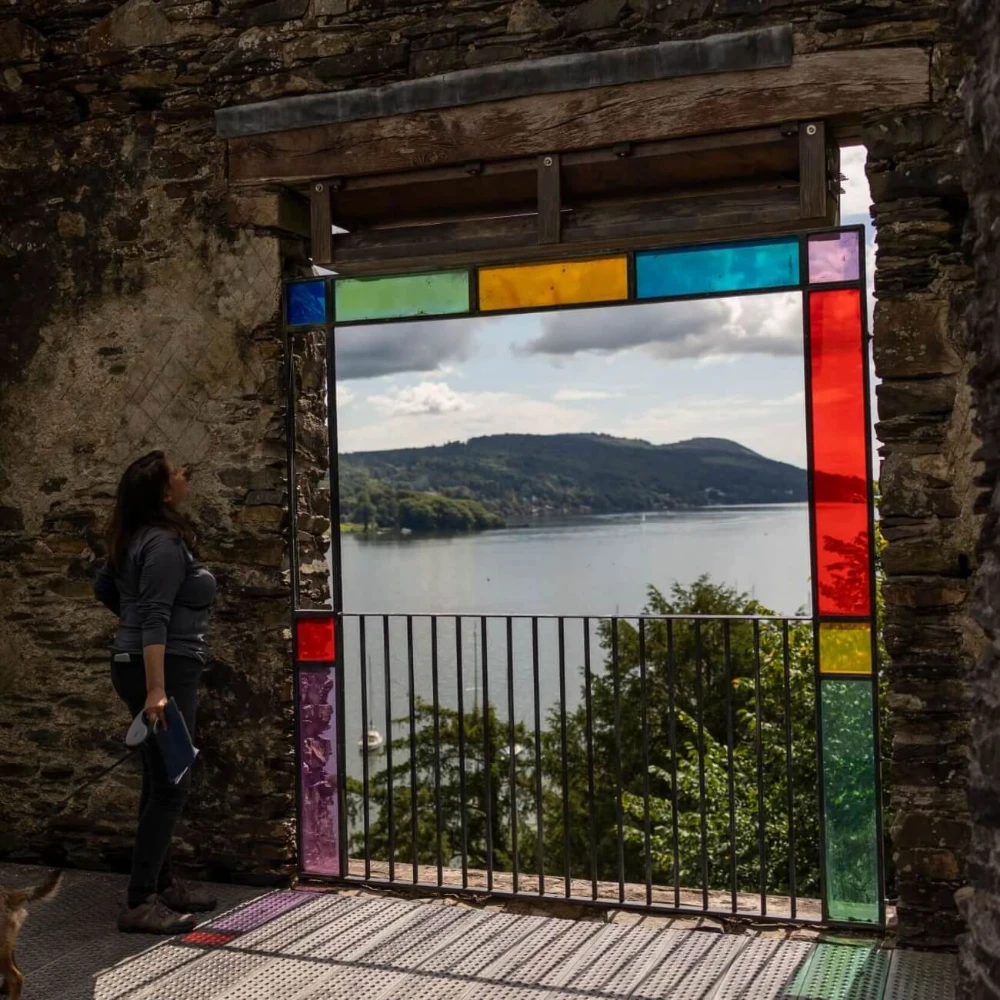
Another site rich in cultural resonance is the Claife Viewing Station, where coloured glass windows recreate the way 18th-century tourists admired the Lake District. Combined with Hawkshead’s cobbled streets and historic inns, the experience evokes centuries of cultural history woven into the very fabric of the Lake District.
Local treasures such as Orrest Head, the viewpoint that inspired Alfred Wainwright’s lifelong devotion to mapping the fells, and St Martin’s Church in Bowness, which dates back to 1483, add layers of historical and spiritual depth. Together, these sites form a tapestry of art, literature, and heritage that defines the Windermere experience.
Why Linthwaite House is the Ideal Base for Lovers of Culture & History
Linthwaite House provides more than just accommodation – it is a gateway to the cultural and literary riches of Windermere. Its hillside setting offers sweeping views of the lake and fells, the same landscapes that inspired Wordsworth’s poetry and Beatrix Potter’s illustrations. Staying here allows you to connect directly with the environment that has nurtured centuries of creative expression.
The proximity of Linthwaite House to key cultural sites such as Blackwell, the Jetty Museum, Hawkshead, Hill Top, Grasmere, and Coniston means you can easily combine visits to historic landmarks with literary pilgrimages. Most attractions are only a short drive away, making it possible to craft itineraries that blend exploration with relaxation.
After a day spent tracing Wordsworth’s footsteps, celebrating Donald Campbell’s legacy, or discovering Potter’s world, Linthwaite House offers the perfect sanctuary. Its elegant interiors, thoughtful design, and fine dining reflect the very ideals of artistry and refinement that define the region’s cultural heritage. Guests also benefit from access to guided tours, literary walks, and lake cruises that bring Windermere’s stories vividly to life.
Dream Days Out
A perfect day might begin with breakfast at The Bar & Conservatory at Linthwaite House followed by a visit to the Windermere Jetty Museum, where the stories of life on the water unfold. Lunch at Blackwell’s tearoom provides a chance to soak in the atmosphere of the Arts & Crafts movement. In the afternoon, a trip to Grasmere allows you to explore Dove Cottage, the Wordsworth Museum, and St Oswald’s Church, before returning to Linthwaite House for a refined dinner at Henrock.
On another day, you might visit Hill Top, Potter’s preserved farmhouse, before heading to the World of Beatrix Potter Attraction in Bowness. A stop at Holehird Gardens offers a serene counterpoint to literary exploration, while a climb up Orrest Head provides panoramic views that once moved Alfred Wainwright to devote his life to mapping the fells. To end the day, head to Coniston and the Ruskin Museum, where Donald Campbell’s Bluebird story is told in full.
Practical Tips
Seasonal opening times vary, with some sites offering reduced hours in winter. Booking ahead for popular attractions, such as Hill Top or special exhibitions at Blackwell, is highly recommended, especially during peak summer months. Weather in the Lake District is famously changeable, so comfortable walking shoes and a raincoat will help ensure you can enjoy both indoor and outdoor cultural sites without interruption.
FAQs
Are there guided heritage or arts tours operating from Bowness-on-Windermere?
Yes, local guides offer a variety of heritage walks, arts-focused tours, and even lake cruises with historical commentary. These tours provide fascinating insights into the area’s history and culture, and information can usually be arranged through local visitor centres.
Which famous writers are connected to the Lake District around Windermere?
The Lake District has inspired some of England’s greatest literary figures. William Wordsworth lived in Grasmere’s Dove Cottage and immortalised the landscapes in his poetry. He is buried in St Oswald’s Church in Grasmere alongside his family. Beatrix Potter, the beloved children’s author, lived close to Windermere and set many of her stories against the backdrop of the Lake District’s villages and farms. Their presence has cemented the region as a centre of literary heritage.
How is Beatrix Potter’s legacy preserved around Windermere?
Beatrix Potter’s presence is felt strongly, particularly at the World of Beatrix Potter Attraction in Bowness and the Beatrix Potter Gallery in Hawkshead. Nearby Hill Top, her 17th-century farmhouse, is preserved by the National Trust and appears exactly as it did when she lived there. Beyond literature, Potter’s conservation work saved large areas of farmland, now part of the National Trust estate, ensuring that the landscapes which inspired her characters remain unspoiled.
How has Windermere’s maritime heritage shaped local culture?
Windermere’s history is closely tied to its lake, with boatbuilding, fishing, and steam transport playing central roles in daily life and tourism. The Windermere Jetty Museum preserves this legacy, showcasing everything from Victorian steam launches to rowing boats. These vessels highlight not only engineering progress but also the cultural traditions of leisure, travel, and community on England’s largest natural lake.
What role did Hawkshead play in William Wordsworth’s early life?
Hawkshead was central to Wordsworth’s formative years. He attended the village grammar school from 1779, where he developed a love for poetry and nature. The school still stands today as a heritage site, and Hawkshead itself remains steeped in the atmosphere that nurtured one of England’s greatest poets.
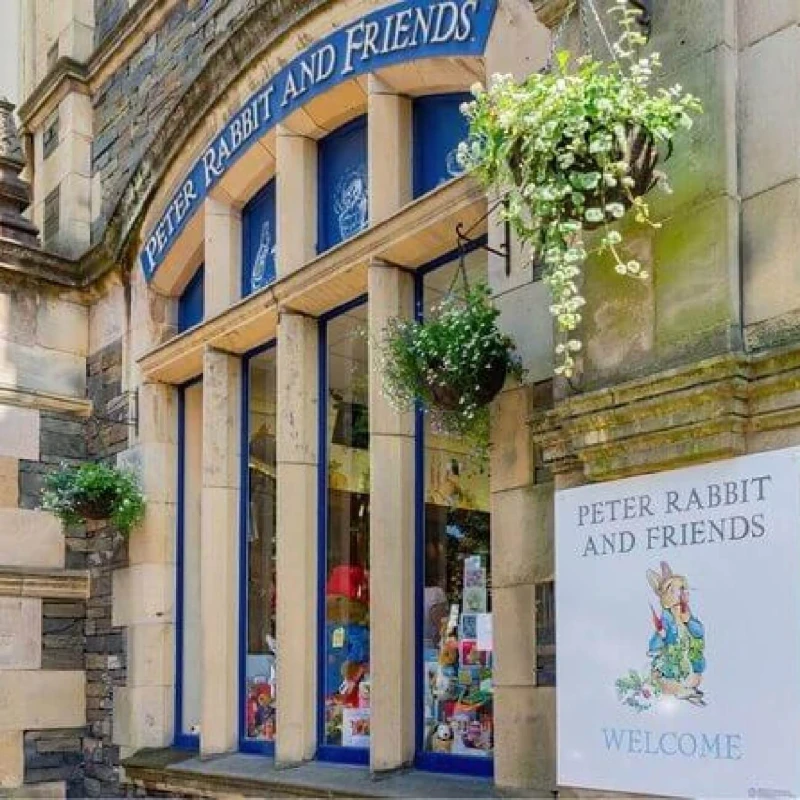
Beatrix Potter Attractions © Veronika's Adventures
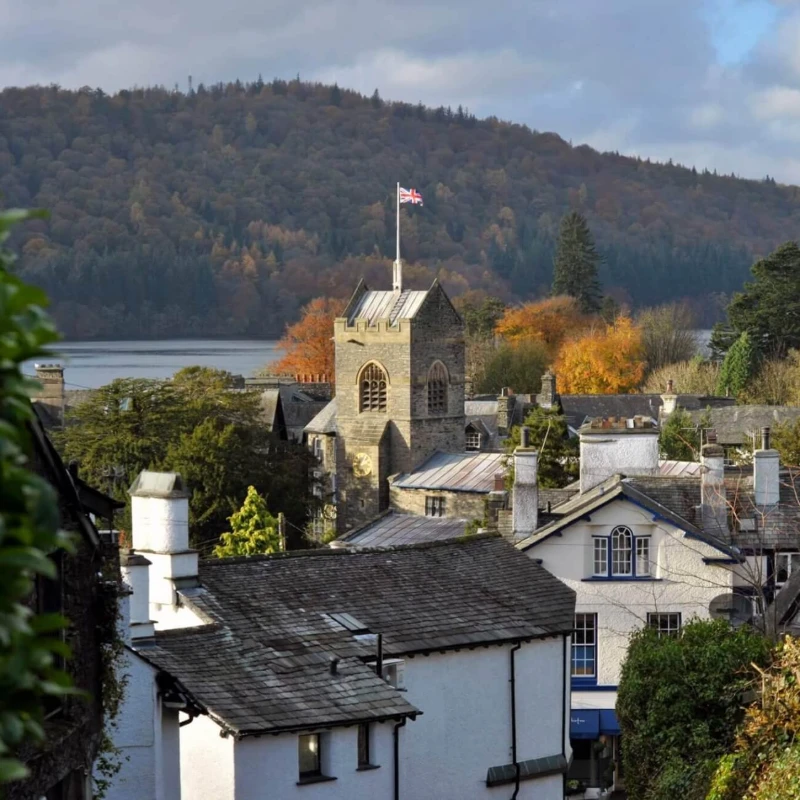
St Martin's Church © St Martin's Church
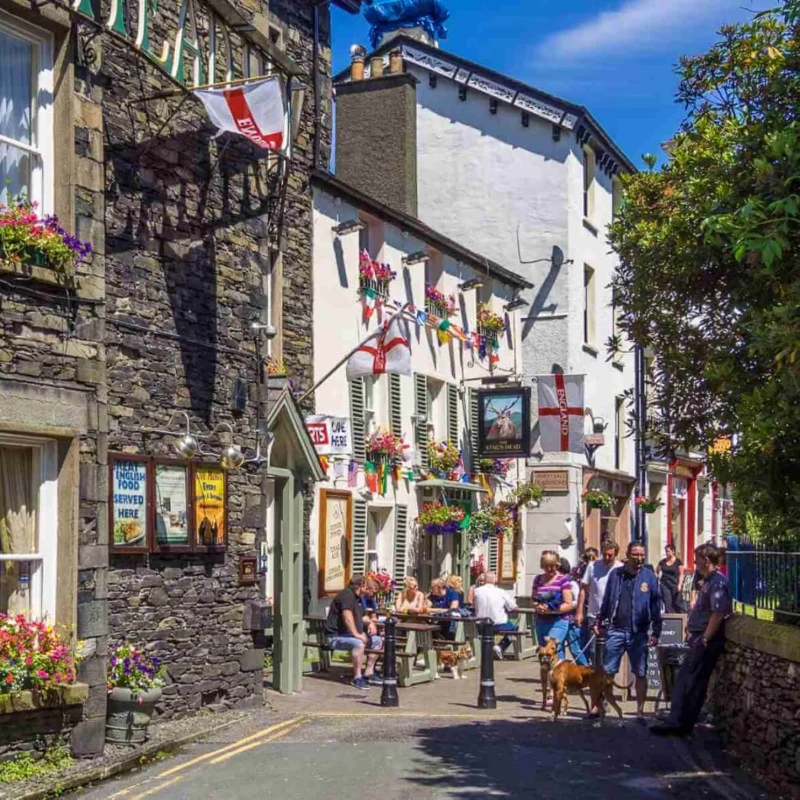
Bowness on Windermere © Lake District Tours